Tubeless vs Tube Tyres: The Difference and Basic Tyre Care Every Owner Should Know
Understand tubeless and tube tyres, which suits Indian roads, and the simple tyre care habits that keep you safe and save money.
Page 1 of 3
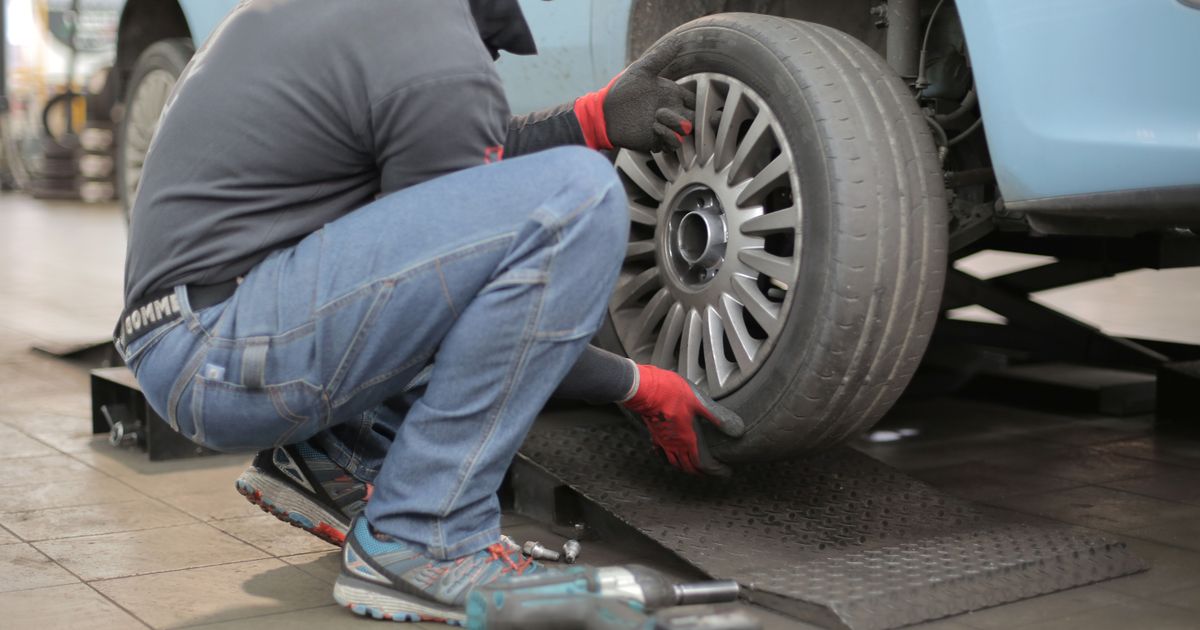
Tyres are the only part of your car or bike that actually touches the road, yet they get the least attention until something goes wrong. Choosing between tubeless and tube tyres, and then looking after them properly, has a direct effect on your safety, your fuel bill and how often you end up stranded with a puncture. Here is what every owner should understand.
Tube vs tubeless: what is the real difference
A tube tyre has an inner tube — a sealed rubber balloon filled with air — sitting inside the tyre. The tube holds the air; the outer tyre protects it and grips the road.
A tubeless tyre has no inner tube. Air is held directly between the tyre and an airtight wheel rim, sealed by a special inner lining. This single design change is responsible for almost every practical difference between the two.
Why tubeless tyres usually win
When a tube tyre is punctured, the tube can burst and the tyre goes flat almost instantly — dangerous if it happens at speed. A tubeless tyre behaves very differently:
- After a nail or screw goes in, air escapes slowly because the lining grips around the object. You often get warning through a gradual pressure drop rather than a sudden blowout.
- Punctures can usually be plugged from outside in a few minutes without removing the wheel.
- With no tube, there is less heat build-up and slightly better fuel efficiency.
- They are marginally lighter, which helps ride and handling.
Where tube tyres still appear
Tube tyres are now mostly found on older vehicles, some commercial vehicles, spoke-wheel motorcycles and certain budget two-wheelers. They are cheaper to buy and easy to repair anywhere, even in small towns. But for everyday safety, tubeless is the sensible default if your wheels support it.
| Feature | Tube tyre | Tubeless tyre |
|---|---|---|
| Puncture behaviour | Can go flat suddenly | Deflates slowly |
| Roadside repair | Wheel usually removed | Often plugged in place |
| Heat build-up | Higher | Lower |
| Cost | Lower | Slightly higher |
| Best for | Older / budget vehicles | Most modern cars and bikes |
Tyre pressure: the habit that matters most
Incorrect pressure is the single biggest tyre mistake Indian owners make, and it quietly costs money and safety.
- Under-inflated tyres flex too much, overheat, wear at the edges, drink more fuel and are far more likely to blow out in summer.
- Over-inflated tyres ride harshly, wear out in the centre and grip less, especially on wet roads.
Find the correct pressure on the sticker inside the driver's door frame or in your owner's manual — not on the tyre sidewall, which only shows the maximum. Check pressure cold, ideally first thing in the morning, at least every two weeks. Do not forget the spare; a flat spare is useless the day you need it.