What ₹1,000 a Month Really Becomes in 15 Years
₹1,000 a month feels too small to matter, so most people never find out what it grows into. Here is the honest maths, caveats and all.
Page 3 of 3
The Boring Secret
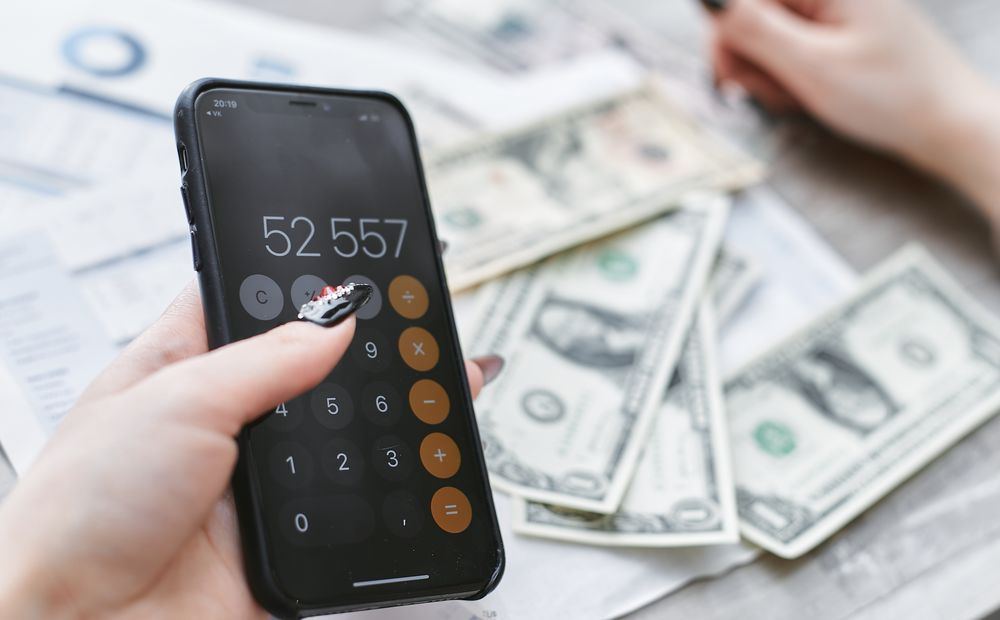
There's no clever trick here. People who end up with a real corpus from small amounts almost always did the same unglamorous things:
- They started small instead of waiting to start big.
- They automated it, so willpower was never involved.
- They left it alone through the scary years.
That's it. Consistency plus time beats cleverness plus timing, almost every time.
Start Before You Feel Ready
If you wait until ₹1,000 feels insignificant to you, you'll have wasted the years when it mattered most. The amount isn't the point — the clock is. Begin with whatever doesn't hurt: ₹500, ₹1,000, whatever fits. Automate it this week, then mostly forget about it and let time do the part you can't.
Future-you is built by present-you's boring decisions. This is one of them.
Investments are subject to market risk. The figures above are illustrative, based on assumed returns that are not guaranteed. This is general information, not personalised financial advice — please consider your own situation or consult a SEBI-registered advisor.
Frequently Asked Questions
Can ₹1,000 a month really make a difference?▾
Over long periods, yes, mainly because of compounding, where returns earn their own returns. The exact amount depends on the return, which is never guaranteed, but the habit of starting small and staying consistent matters far more than the size of each instalment.
Where can I invest ₹1,000 a month in India?▾
Common low-effort options include a SIP in a mutual fund or a simple index fund. The right choice depends on your goals and risk comfort, so it is worth checking your own situation or speaking with a SEBI-registered advisor before starting.
Is it better to wait until I can invest a bigger amount?▾
Usually not. The early years give your money the longest time to compound, so waiting often costs more than starting small. Beginning with a tiny amount now generally beats waiting for a perfect, bigger amount later.
Keep reading