What ₹1,000 a Month Really Becomes in 15 Years
₹1,000 a month feels too small to matter, so most people never find out what it grows into. Here is the honest maths, caveats and all.

Page 1 of 3
₹1,000 a month sounds like nothing. The price of two pizzas. A couple of cab rides. Easy to spend, even easier to ignore.
Which is exactly why most people never find out what it could turn into. The number feels too small to matter, so they wait to "start properly later" — and later quietly never arrives.
So let's actually do the maths. Not a sales pitch — just the honest numbers, including the parts the get-rich posts skip.
The Number Nobody Calculates
Put ₹1,000 a month into a plain savings account and after 15 years you'd have ₹1,80,000 — simply the ₹1,000 × 180 months you put in. Fair enough.
But money that's invested and left to grow behaves differently, because the returns start earning their own returns. That's compounding. At an assumed long-term return of around 11% a year — and that's an assumption, not a promise — that same ₹1,000 a month could grow to roughly ₹4.5 to ₹5 lakh over 15 years. You put in ₹1.8 lakh. The rest is growth doing the heavy lifting while you did nothing but stay consistent.
Change the return assumption and the number changes — that's the honest caveat. Markets don't move in straight lines, and some years will be ugly. But the direction is the point.
Why the First Few Years Feel Pointless
Here's the trap. In year one, your ₹12,000 might grow by a thousand rupees. Underwhelming. Most people quit right here, convinced it isn't working.
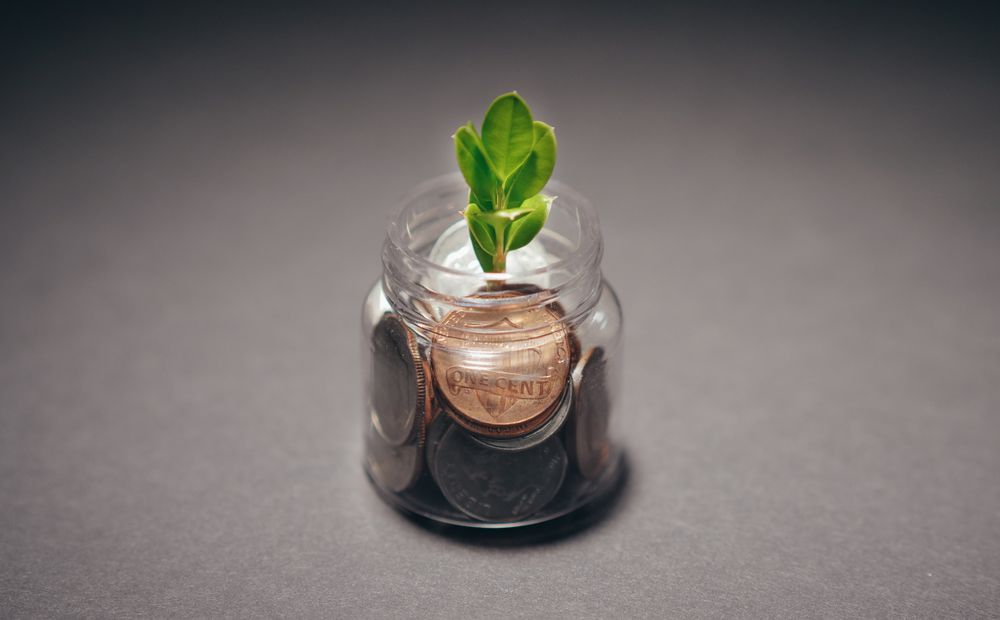
But compounding is back-loaded. The boring early years are you loading the spring. The serious growth shows up in the later years — and you only get those years if you didn't quit in the early ones.