Monsoon Driving Tips for Safer Indian Roads
Practical monsoon driving advice for Indian roads — handle waterlogging, skids and poor visibility, and prep your car before the rains.
Page 1 of 3
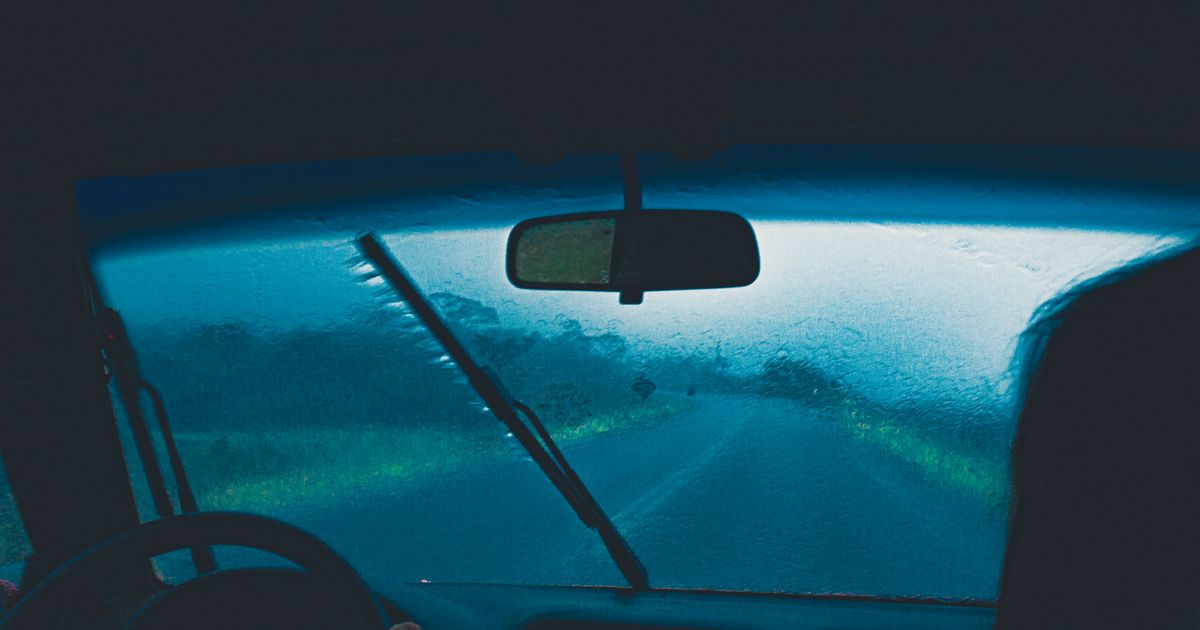
The monsoon transforms Indian roads into a different challenge overnight — slick surfaces, flooded stretches, blinding spray and visibility that drops to a few metres. Most rain-season accidents are not caused by the weather itself but by drivers carrying their dry-day habits into wet conditions. A few adjustments to your car and your driving make the season far safer.
Get the car ready before the first heavy rain
Monsoon safety begins before you even start the engine. A quick pre-season check prevents the most common rainy-day failures.
The pre-monsoon checklist
- Wiper blades: Replace any that streak, chatter or leave a film. Worn blades are useless exactly when you need a clear view. Good blades cost a few hundred rupees and are pure safety.
- Tyres: Bald tyres cannot clear water and will aquaplane. Confirm the tread is healthy and the pressure is correct — slightly worn tyres are dangerous in the wet.
- Lights: Check headlights, tail lights, brake lights and indicators. Clean cloudy headlamp covers so the beam actually reaches the road.
- Brakes: Spongy or squealing brakes need attention now; stopping distances already grow on wet roads.
- Demister and AC: Make sure both work, because you will rely on them to keep the glass clear.
- Door and boot drains: Clear the small drain holes so rainwater does not pool inside the cabin or boot.
Driving on wet roads
Wet tarmac offers a fraction of the grip of a dry surface, and the first rain after a dry spell is the most slippery of all as oil and dust float to the top.
Slow down and leave more space
- Cut your speed. Everything — braking, steering, reacting — takes longer in the wet.
- Double your following distance. The usual gap is not enough when stopping distances grow.
- Brake gently and early. Sudden braking is the quickest way to lose control on a slick road.
- Steer and accelerate smoothly. Jerky inputs upset the car's grip.
Handle aquaplaning calmly
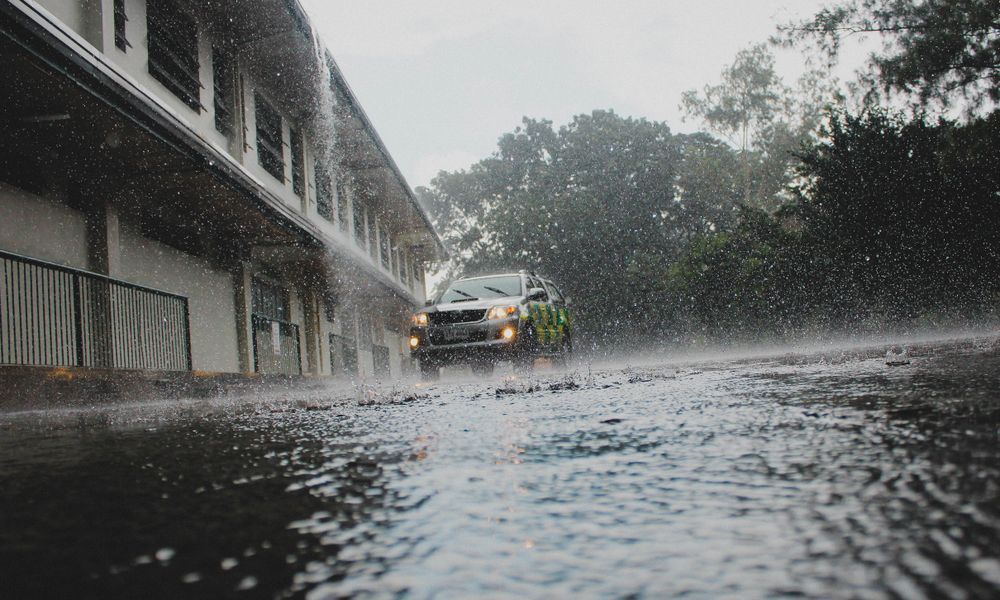
Aquaplaning is when a film of water lifts your tyres off the road and the steering suddenly feels light and unresponsive. If it happens:
- Do not brake hard and do not yank the steering.
- Ease off the accelerator and hold the wheel straight.
- Let the car slow naturally until the tyres regain contact, then steer gently.