How to Overcome Exam Stress and Anxiety: A Calm, Practical Guide
Real, usable strategies to manage exam stress and anxiety — before, during and after the test — so nerves never decide your result.
Page 2 of 4
Daily habits that lower stress
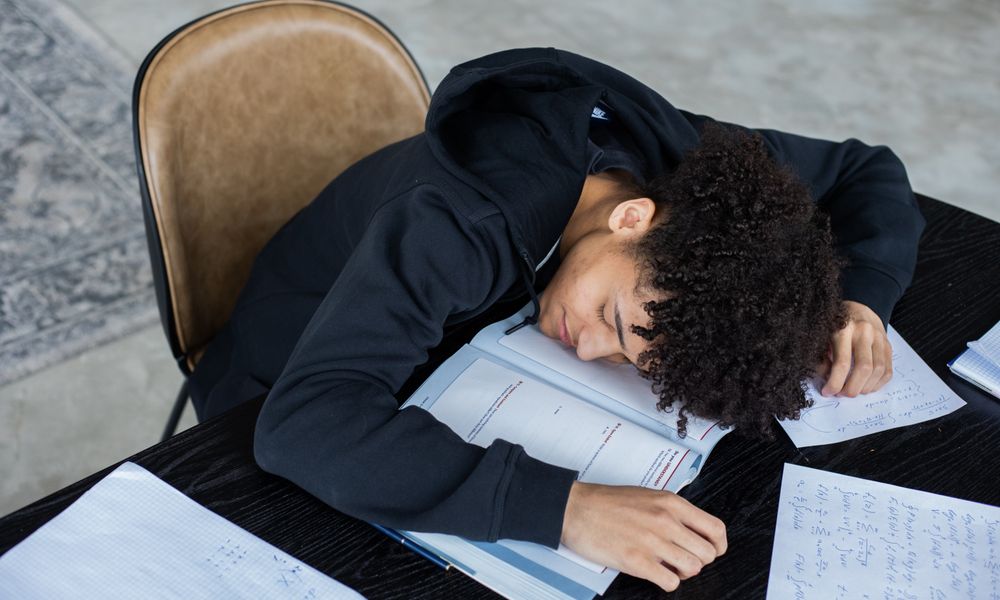
Anxiety does not only live in your head — it lives in your body, and your daily habits feed or starve it. Small, consistent choices make a large difference over months of preparation.
| Habit | Why it calms you |
|---|---|
| Regular sleep | Resets mood and sharpens memory |
| Light exercise | Burns off stress chemicals naturally |
| Slow breathing | Switches off the body's alarm response |
| Limited caffeine | Prevents the jitters that mimic panic |
| Short breaks | Stops pressure from building unchecked |
None of these are dramatic, but together they keep your baseline stress low, so a hard day does not tip you into panic.
Breathing: your instant reset
When anxiety spikes, your breathing turns fast and shallow, which keeps the alarm ringing. Slowing your breath is the quickest way to tell your body it is safe.
Try this simple cycle whenever you feel overwhelmed:
- Breathe in slowly through your nose for a count of four.
- Hold gently for a count of four.
- Breathe out slowly through your mouth for a count of six.
- Repeat four or five times.
The long, slow exhale is the key — it directly calms your nervous system. Practise it during study so it feels natural when you truly need it in the exam hall.