Electric Cars in India 2026: Should You Make the Switch?
A balanced look at owning an electric car in India in 2026 — running costs, charging, range anxiety and who an EV genuinely suits today.
Page 1 of 3
Electric cars have crossed from novelty to genuine option in India. But "should you switch?" depends far less on the technology and far more on how and where you drive. Here's an honest framework, not hype.
The case for switching now
Running costs are dramatically lower
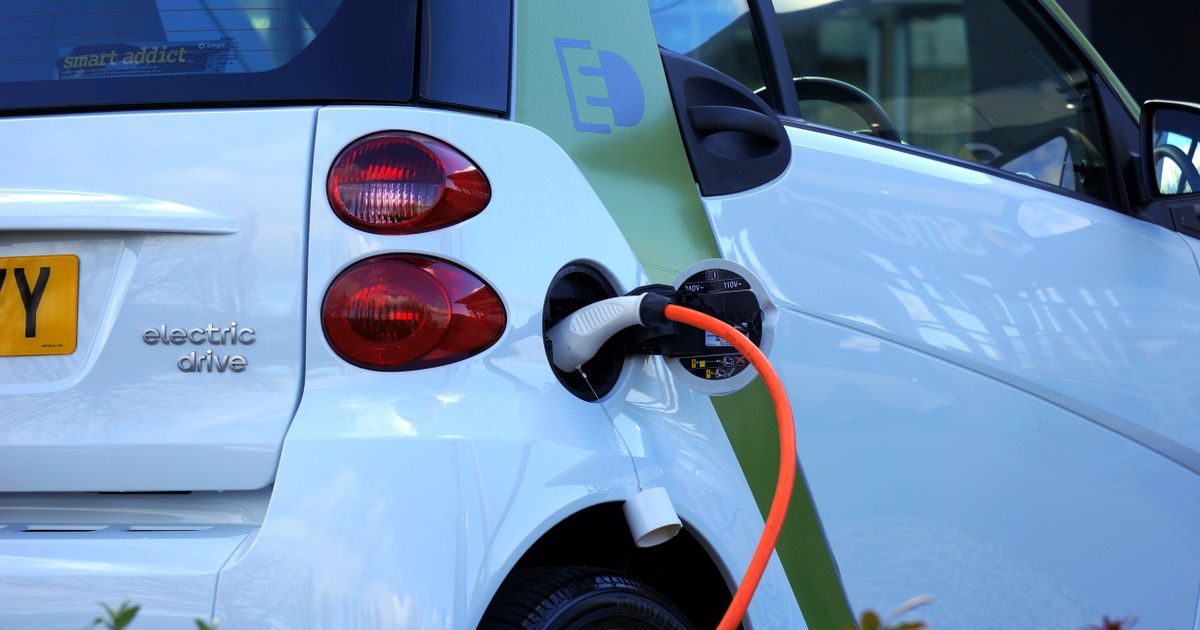
This is the headline benefit. Charging — especially at home overnight — costs a fraction of petrol per kilometre. Over years of ownership, the fuel savings are substantial. EVs also have far fewer moving parts: no engine oil, no gearbox in the traditional sense, fewer things to service. Lower fuel + lower maintenance is a powerful combination for high-mileage drivers.
The driving experience
EVs deliver instant torque and near-silent, smooth acceleration that makes city stop-and-go traffic genuinely more pleasant. Many first-time EV owners say this is the part that surprises them most.
The honest downsides
Higher upfront price
EVs still cost more to buy than comparable petrol cars. The savings come over time through fuel and maintenance — so the maths works best if you drive a lot and keep the car for years.
Charging and range planning
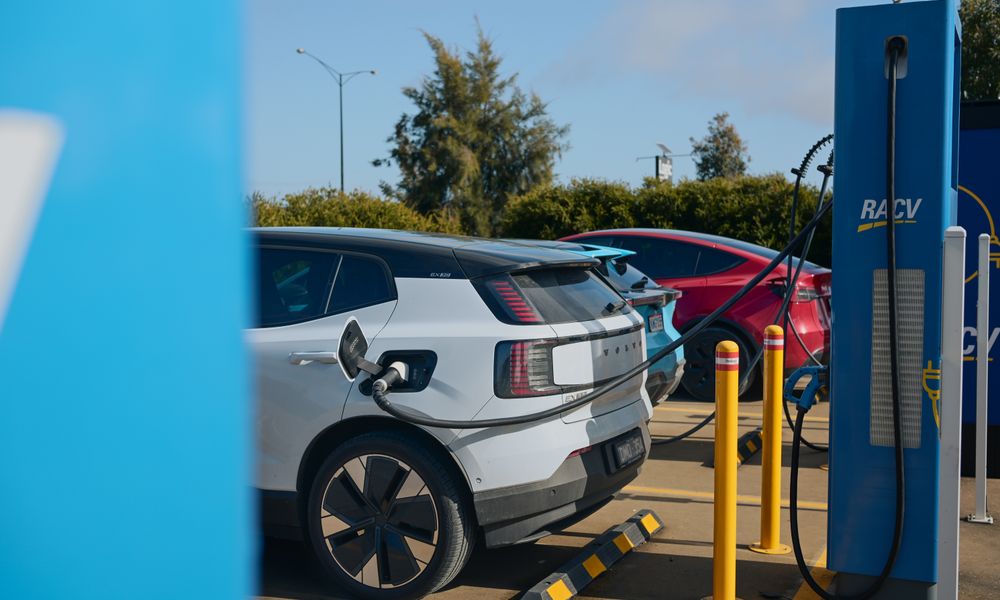
For daily city commuting with home charging, range anxiety is largely a myth — you wake up "full" every morning. The friction appears on long intercity trips, where you need to plan charging stops. Public charging has improved but is still uneven across regions.
Home charging access
The EV ownership experience is transformed by having a place to charge at home (a parking spot with a power point). Without it, you rely on public chargers, which changes the convenience equation considerably.